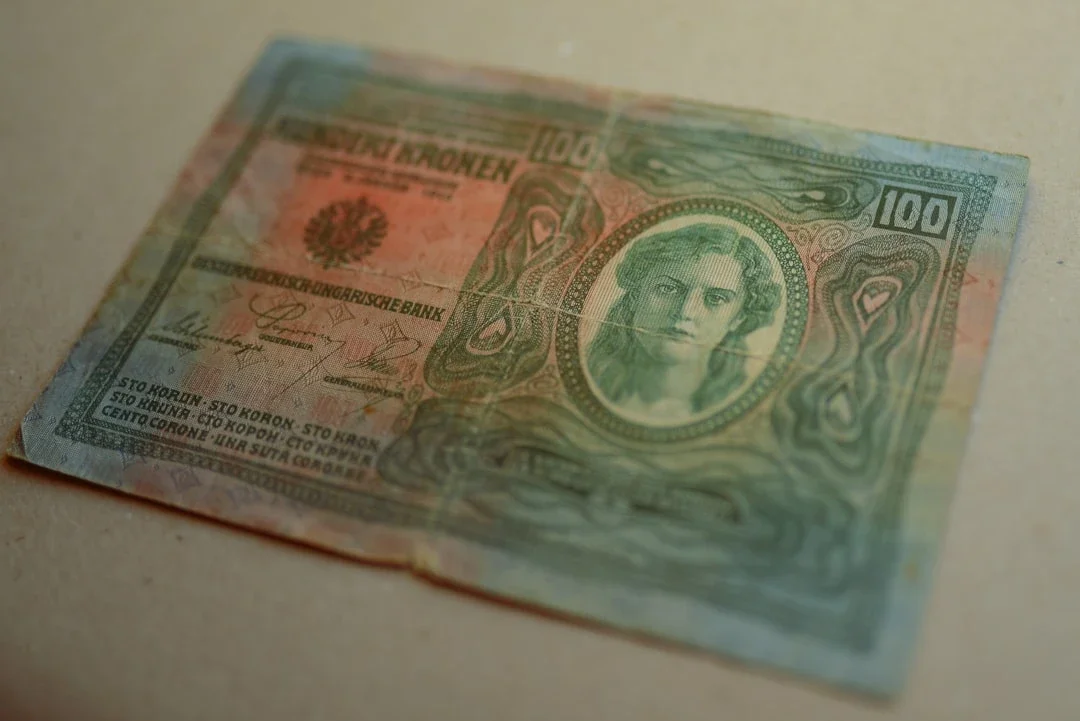
Vienna runs on the euro (€), divided into 100 cents, and shared with 20 other EU member states — so any euros left from a previous European trip are good here. Coins come in denominations from 1 cent to 2 euros, and notes from €5 up to €500 (though €500 notes are rarely seen in everyday circulation). Keep a supply of smaller notes and coins for markets, bakeries, and the occasional cash-only café.
Card acceptance in Vienna is broad but not universal. Major credit and debit cards — Visa, Mastercard, and Maestro — work reliably at hotels, restaurants, and most shops. American Express is accepted at larger establishments but less common elsewhere. Smaller Heurigen (wine taverns), bakeries, street market stalls, and some museums gift shops may still be cash-only, so carrying €20–40 on hand is practical. Contactless payment via card or phone is increasingly standard at supermarkets and chain cafés.
ATMs (called Bankomats in Austria) are easy to find across the city — in bank branches, U-Bahn stations, shopping centres, and busy pedestrian streets. Opt for machines operated by established banks such as Erste Bank, Raiffeisen, or BAWAG, and always choose to be charged in euros rather than your home currency when given the dynamic currency conversion option — the bank-rate conversion is almost always better. Check your home bank's foreign transaction fees before you travel, as these vary significantly.
Budget travellers sharing hostel dorms, eating at Würstelstand sausage stands and Naschmarkt stalls, and using public transit can get through the day on roughly €60–80. A mid-range day — sit-down lunches, a museum or two, a Viennese coffeehouse stop, and a tram ride — typically runs €120–180 per person. Luxury Vienna, with fine dining in the Innere Stadt, a box at the Staatsoper, and a five-star hotel, can easily reach €400 or more daily. Tipping is customary but modest: rounding up or adding 5–10% is the norm; you state the total you want to pay rather than leaving cash on the table.
Card acceptance in Vienna is broad but not universal. Major credit and debit cards — Visa, Mastercard, and Maestro — work reliably at hotels, restaurants, and most shops. American Express is accepted at larger establishments but less common elsewhere. Smaller Heurigen (wine taverns), bakeries, street market stalls, and some museums gift shops may still be cash-only, so carrying €20–40 on hand is practical. Contactless payment via card or phone is increasingly standard at supermarkets and chain cafés.
ATMs (called Bankomats in Austria) are easy to find across the city — in bank branches, U-Bahn stations, shopping centres, and busy pedestrian streets. Opt for machines operated by established banks such as Erste Bank, Raiffeisen, or BAWAG, and always choose to be charged in euros rather than your home currency when given the dynamic currency conversion option — the bank-rate conversion is almost always better. Check your home bank's foreign transaction fees before you travel, as these vary significantly.
Budget travellers sharing hostel dorms, eating at Würstelstand sausage stands and Naschmarkt stalls, and using public transit can get through the day on roughly €60–80. A mid-range day — sit-down lunches, a museum or two, a Viennese coffeehouse stop, and a tram ride — typically runs €120–180 per person. Luxury Vienna, with fine dining in the Innere Stadt, a box at the Staatsoper, and a five-star hotel, can easily reach €400 or more daily. Tipping is customary but modest: rounding up or adding 5–10% is the norm; you state the total you want to pay rather than leaving cash on the table.